July 28, 2026
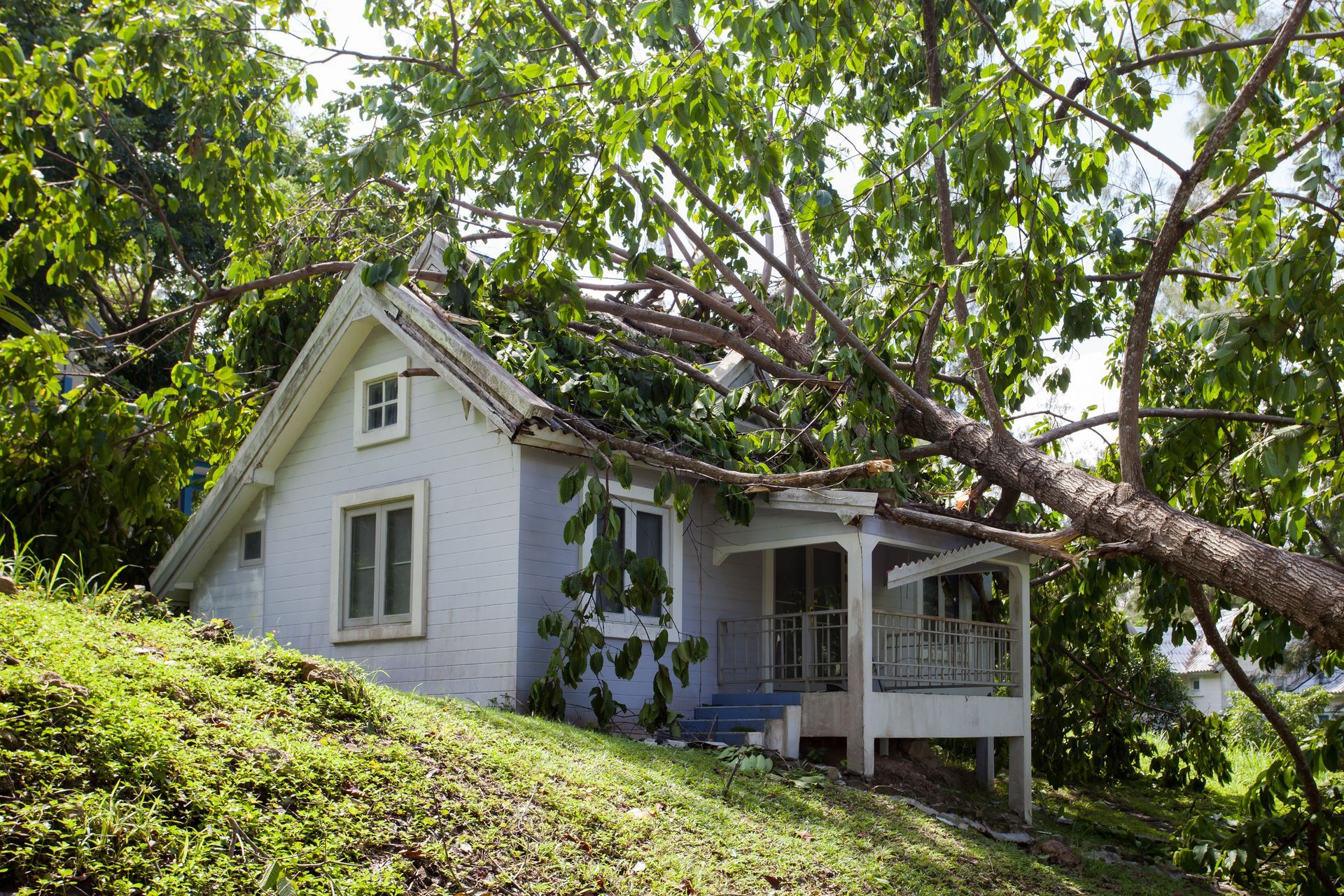
Storms can take a serious toll on residential roofs, sometimes causing damage that requires extensive repairs or even a full replacement. According to RubyHome, 33% of homeowners replace their roofs due to storm damage. Understanding how storms affect roofing systems and taking preventive steps before severe weather arrives can help homeowners reduce damage and protect their investment. This guide explains common types of storm damage, practical maintenance tips, and ways to prepare your home before and after a storm.
Severe Storm Damage Effects
Identify Storm Types Affecting Roofs
Several types of storms can damage residential roofing systems, including thunderstorms, hailstorms, hurricanes, and tornadoes. High winds may loosen or remove shingles, while heavy rain can expose existing weaknesses that lead to leaks. Hail may also damage roofing surfaces and gutters, making it important to inspect the roof after severe weather has passed and consult roofing contractors if concerns are identified.
Recognize Common Storm Damage Signs
Storm damage is not always immediately obvious. Missing or lifted shingles, damaged gutters, leaks, and water stains on ceilings or walls can all indicate roofing problems. Homeowners should also look for debris on the roof or visible signs of wear after strong winds or heavy rainfall, as identifying issues early can help prevent additional damage and help roofing contractors evaluate the roof more efficiently.
Understand Storm Damage Effects on Materials
Storms place significant stress on roofing systems. Wind can loosen roofing materials, while repeated exposure to moisture may contribute to deterioration over time. If damage is left unaddressed, water intrusion can affect other areas of the home and increase the scope of future repairs, making an inspection by experienced roofing contractors a practical next step.
Recognize Storm-Related Roof Replacements
Storm damage is one of the leading reasons homeowners replace their roofs. Severe weather can shorten the lifespan of roofing materials when damage is left unaddressed. Scheduling inspections after major storms allows potential problems to be identified before they become more extensive.
Effective Storm Damage Prevention
Schedule Regular Roof Inspections
Routine roof inspections help identify worn or damaged areas before severe weather places additional stress on the roofing system. Scheduling inspections periodically and after major storms allows homeowners to address developing issues early. Prompt attention to small concerns can often help reduce the likelihood of larger repairs later, especially when inspections are performed by qualified roofing contractors.
Maintain Your Roof Properly
Routine maintenance plays an important role in preserving a roof's condition. Keeping gutters clear, checking visible roofing components, and trimming tree branches that hang over the roof can help reduce the risk of storm-related damage. Consistent upkeep also helps homeowners recognize changes that may require professional attention before they become larger concerns.
Seasonal Storm Preparation Steps
Create an Emergency Roof Repair Kit
Having basic emergency supplies available can help homeowners respond to unexpected roof damage while waiting for professional repairs. Items such as a tarp, rope, heavy-duty tape, and other temporary materials may help limit additional water intrusion until the roof can be evaluated. Temporary measures should only be used when it is safe to do so, and permanent repairs should be completed by qualified professionals.
Document Your Roof's Condition
Photographing the roof before storm season can be helpful if storm damage occurs later. Keeping records of maintenance, repairs, and the roof's condition may also support insurance claims by providing documentation of any changes caused by severe weather. Organized records can make conversations with insurance providers and roofing contractors more efficient if repairs become necessary.
Review Your Insurance Coverage
Reviewing your homeowner's insurance policy before storm season can help you understand what types of roof damage may be covered. Becoming familiar with deductibles, claim procedures, and documentation requirements allows homeowners to respond more confidently if storm damage occurs. Knowing what information your insurance company may request can also help simplify the claims process.
Secure Outdoor Items
Outdoor furniture, grills, planters, and other loose objects can become airborne during strong winds. Securing or storing these items before severe weather helps reduce the risk of damage to the roof, windows, siding, and other exterior surfaces around the home. Taking a few preventative steps before a storm can help limit unnecessary property damage.
Comprehensive Storm Damage Recovery
Conduct a Thorough Roof Inspection
After severe weather passes, inspecting the roof for visible damage is an important first step. Missing shingles, damaged gutters, debris, and signs of water intrusion should all be documented. If damage is suspected, arranging a professional inspection can help determine the condition of the roofing system and identify any necessary repairs.
Work With Roofing Professionals
A professional roofing evaluation provides a detailed assessment of storm-related damage that may not be visible from the ground. An experienced contractor can determine whether repairs are appropriate or whether more significant damage warrants a roof replacement. This information helps homeowners make informed decisions about protecting their property.
File Insurance Claims Correctly
When storm damage is covered by insurance, thorough documentation can help support the claims process. Taking photographs, keeping records of visible damage, and maintaining documentation of inspections or repairs may help homeowners provide the information requested by their insurance company. Staying organized throughout the process can make claim resolution more efficient.
Careful Roofing Material Choices
Choose Materials Carefully
When planning a roof replacement, homeowners should consider factors such as durability, appearance, maintenance requirements, and overall value. Discussing available roofing options with a qualified contractor can help ensure the chosen materials fit the home's needs and local weather conditions. Taking time to compare available options can help homeowners make informed long-term decisions.
Consider Long-Term Roofing Performance
Looking beyond the initial installation is an important part of planning a roof replacement. Expected lifespan, routine maintenance, and overall performance all contribute to the long-term value of a roofing system. Choosing appropriate materials and caring for the roof over time can help maximize its service life.
Evaluate Energy Efficiency Factors
Some roofing materials may help improve a home's overall energy performance by reflecting more sunlight or reducing heat transfer into the attic. Homeowners considering a roof replacement may wish to discuss available options that align with their goals for comfort, appearance, and long-term value. Evaluating these factors alongside durability can help create a balanced decision.
Professional Roofing Service Benefits
Find Qualified Roofing Contractors
Choosing a licensed and insured roofing contractor is an important step when repairing or replacing a storm-damaged roof. Homeowners should look for companies with experience, clear communication, and a history of providing residential roofing services. Taking time to choose the right contractor supports a smoother project from start to finish.
Assess Roof Conditions Thoroughly
A professional roof assessment provides a thorough understanding of the roof's condition following severe weather. Evaluating visible damage, potential leaks, and areas of concern allows homeowners to prioritize repairs and make informed decisions about maintaining their roofing system. Early evaluations may also help prevent minor issues from becoming larger repairs.
Complete Professional Installation And Repairs
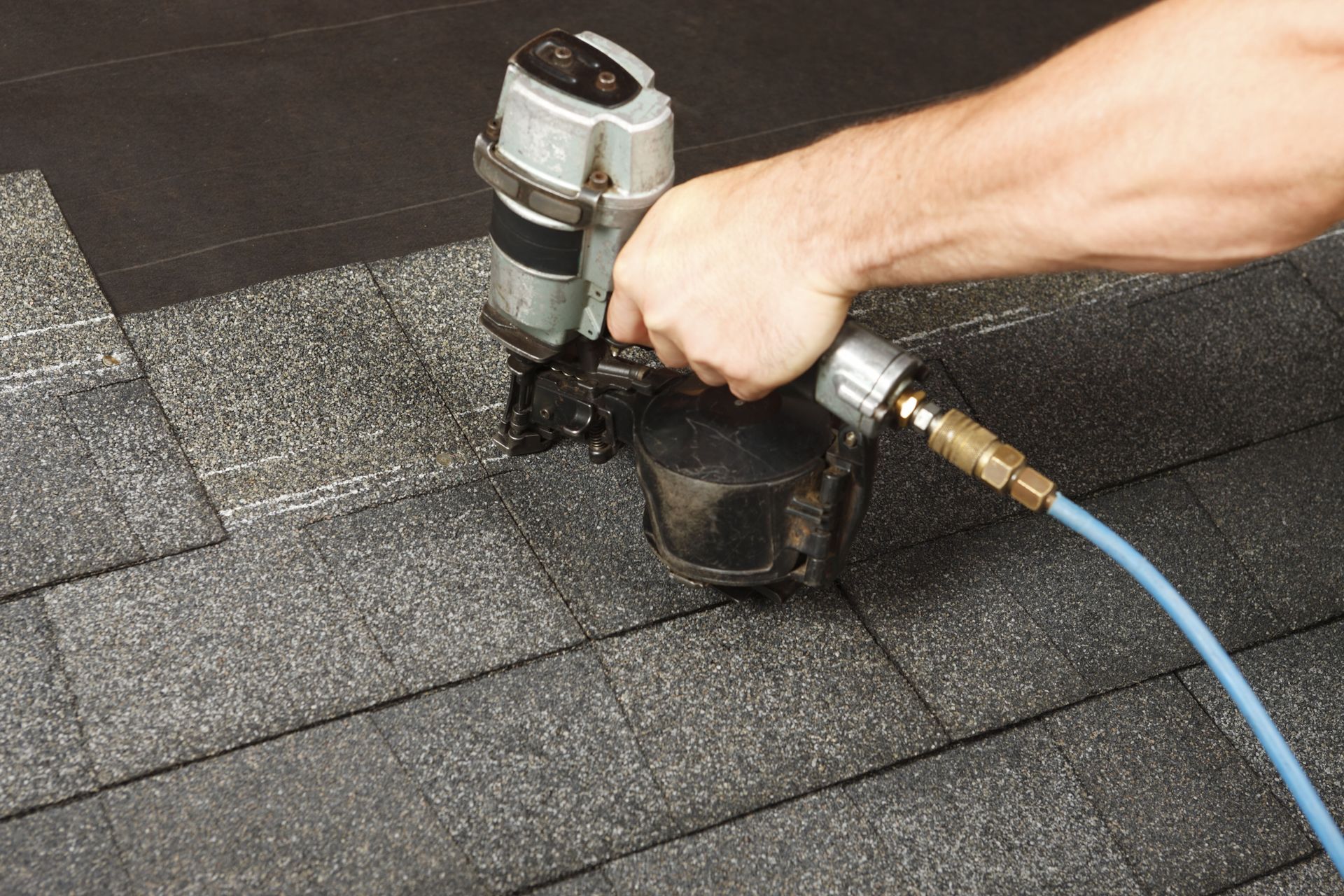
Professional installation and repairs help ensure roofing components are installed correctly so the system can perform as intended over time. Proper workmanship can also help reduce the likelihood of future issues resulting from improper installation or overlooked storm damage. Professional repairs also help preserve the overall performance of the roofing system.
Preparing for severe weather and addressing roofing concerns promptly can help protect your home and minimize the effects of storm damage. Staying proactive with inspections, maintenance, and timely repairs supports the long-term performance of your roof while helping you identify potential issues before they worsen. To learn more about roofing, gutters, windows, doors, siding, or insurance claim assistance after storm damage, contact Jules Poirier Company LLC and explore the services available for your home.