July 23, 2026
Maintaining a robust and leak-free roof is crucial for protecting a home from the elements. While many homeowners prefer to undertake simple repairs on their own, there are occasions when hiring professional roofers is not just advisable but necessary. Understanding when a professional intervention is required can prevent severe damage and save on costly repairs in the future. With a strategic approach to roof maintenance, homeowners can ensure the structural integrity and longevity of their homes. Routine inspections and prompt repairs also reduce the likelihood of emergency situations that could disrupt daily life. The roofing industry plays a vital role in the U.S. economy. According to RubyHome, the U.S. roofing market reached a value of $21.9 billion in 2022. This indicates the significance and demand for skilled expertise in maintaining and upgrading roofing systems across the nation. Choosing experienced professionals helps homeowners protect one of the most valuable parts of their property while extending the lifespan of the entire roofing system.
1. Frequent Leaks and Water Damage
Leaks are among the most obvious signs that professional roofing assistance may be needed. Persistent leak patterns, especially those that recur after minor repairs, indicate a systemic problem that requires expert evaluation. The presence of water stains or moisture in different rooms could be a tell-tale sign of roof deterioration.
The impact of water damage extends beyond cosmetic issues. Structural integrity can be severely compromised if water penetrates foundations and building materials. In severe cases, water damage can lead to mold growth, which poses health risks and further damages property. Moisture trapped inside insulation can also reduce energy efficiency while weakening wooden framing over time.
Ignoring leaks often leads to increased repair costs down the line. Temporary fixes may provide short-term relief, but they rarely resolve the underlying issue. Engaging professional roofers for a comprehensive inspection ensures an effective long-term solution is implemented, safeguarding the home from future damage.
2. Visible Roof Deterioration
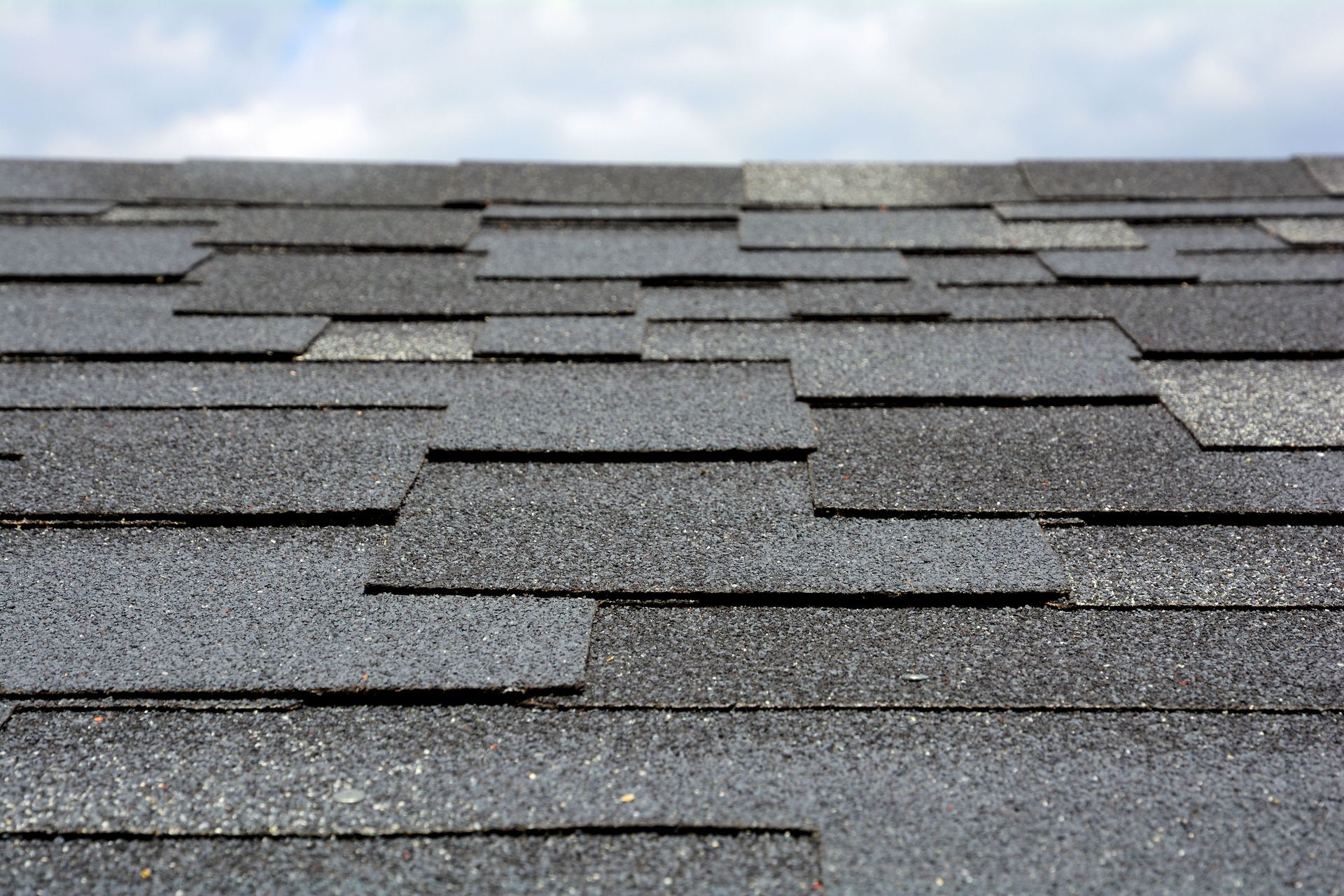
Shingle wear and tear are common issues observed in many roofing systems. Shingles that curl, crack or go missing can expose the roof to further deterioration. It is essential to regularly inspect the condition of your shingles to catch early signs of wear.
One of the warning signs of roof deterioration is the presence of granules in gutters and downspouts. Loss of granules can significantly reduce the protective capabilities of shingles, making replacements necessary. Weather elements such as wind, rain and sunlight can expedite the deterioration process. Strong storms can also loosen flashing around chimneys, skylights and roof vents, creating additional entry points for water.
Delaying repairs on visibly damaged roofs increases the risk of leaks and structural damage. The costs of repairing or replacing a severely damaged roof can be significantly higher than those determined by routine maintenance. Professional roofers can accurately assess the extent of damage and recommend appropriate actions. Early intervention often preserves more of the existing roofing materials and minimizes disruption to the household.
3. Aging Roofs Approaching End-of-Life
The average lifespan of a roof varies based on the material used. Asphalt shingles typically last 20 to 30 years, while metal roofing can endure 40 to 70 years. Recognizing when a roof is nearing the end of its lifespan is crucial for budgeting and planning replacements.
As a roof ages, repairs may become less viable than replacement. Frequent issues with aging roofs, such as leaks and broken tiles, can be more cost-efficiently addressed through a comprehensive roof overhaul. Regular check-ups and preventive maintenance can extend the functional period of older roofs. Seasonal inspections after severe weather also help identify hidden damage before it becomes more extensive.
Warranty evaluations are essential when determining whether a roof should be repaired or replaced. Many warranties provide options for refurbishing roofs at a lower cost before specific timeframes elapse. Weighing the cost of repairs against a full replacement should be a critical consideration for homeowners with aging roofs. Experienced roofers can also explain warranty requirements and help ensure that repair work complies with manufacturer guidelines.
4. Increased Energy Bills
High energy bills can be symptomatic of problems with roof insulation or ventilation. Poorly insulated roofs can lead to heating and cooling inefficiencies, ultimately spiking energy consumption. Ventilation issues can also contribute to temperature regulation problems within the home.
The integrity of a roof directly correlates with energy efficiency. Roof seals and barriers play a significant role in energy conservation by preventing heat loss or gain. Any weaknesses or compromises in these areas can demand more energy use to maintain interior comfort levels. Homeowners may also notice uneven indoor temperatures when roofing components begin to fail.
Solutions to enhance energy efficiency may involve assessing the condition of attic insulation or the need for new ventilation systems. The financial implications of continued high energy consumption can be curbed through professional roofing services that target underlying issues. Investing in professional repairs can have substantial long-term cost benefits. Addressing these concerns early often improves indoor comfort throughout every season.
5. Sagging Roofs and Structural Concerns
Sagging in any part of a roof is easily noticeable and should raise red flags for homeowners. Detecting sagging areas can be done by observing uneven roof lines or sections that dip visibly inward. Prompt action is necessary to prevent further structural compromise.
Several underlying causes may lead to roof sagging, including insufficient support structures, excess weight or prior water damage. These issues require swift intervention to avoid progressive damage. Ignoring sagging can jeopardize the safety of the occupants and the building's overall stability. In some cases, weakened decking or deteriorated rafters may require reinforcement before additional roofing work can begin.
Engineering expertise is essential to accurately diagnose and rectify sagging roof problems. Professional roofers can provide restoration techniques tailored to the specific cause of sagging, ensuring a structurally sound resolution. Restoration efforts should focus on both aesthetics and integrity to guarantee lasting impacts.
6. Safety Hazards and Liability Issues
A deteriorating roof can pose several safety hazards for both homeowners and passersby. Falling shingles or debris pose significant risks both on and surrounding the property. Preventive measures through professional services help mitigate these dangers effectively.
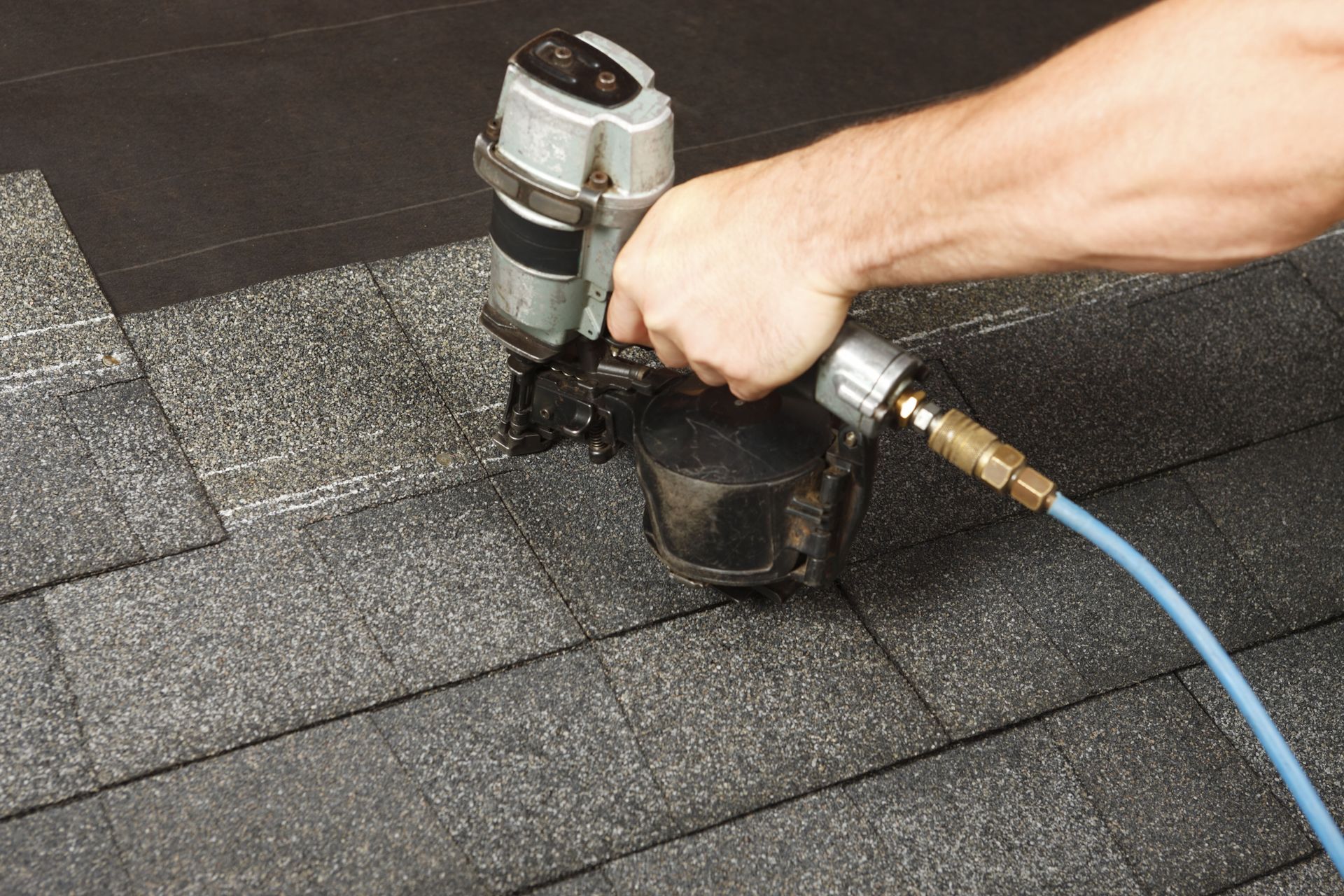
DIY roof repairs can be risky if attempted without the right equipment and safety protocols. Roof work involves heights and potentially hazardous materials, making it a challenge for untrained individuals. Engaging licensed professionals ensures not only quality work but also safety. Proper training and specialized equipment significantly reduce the risk of accidents during inspections and repairs.
Legal and insurance considerations come into play when handling roofing safety hazards. Liabilities from accidents or incomplete repairs can result in costly settlements. Hiring professionals reduces the risk of legal complications by ensuring that work complies with safety standards and codes of conduct. Reliable roofers also carry appropriate insurance coverage, providing additional protection for homeowners throughout the project.
7. Storm Damage and Emergency Repairs
Severe weather can cause significant roofing damage even when it is not immediately visible from the ground. High winds may loosen shingles, hail can bruise roofing materials and falling branches may puncture vulnerable areas. Scheduling an inspection after major storms helps identify hidden issues before they develop into leaks or structural concerns.
Emergency repairs should never be delayed because minor storm damage can worsen quickly with continued exposure to rain and changing temperatures. Prompt attention preserves the roof's integrity and reduces the likelihood of more extensive repairs later. Experienced roofers can evaluate storm-related damage thoroughly and recommend the most appropriate restoration plan.
Continual assessment and maintenance are key to extending a roof's lifespan. Whether addressing recurring leaks, dealing with visible damage, mitigating safety risks or responding to storm damage, professional intervention offers comprehensive solutions. An investment in licensed roofing services today means saving on costly repairs and avoiding liabilities tomorrow. Contact our team at Jules Poirier Company LLC today and learn more about our roofing services.